Let me be honest with you for a second — I spent months chasing Instagram reels, TikTok trends, and Facebook ad hacks before a friend casually mentioned that she was pulling in over $3,000/month in affiliate commissions… entirely from Pinterest.
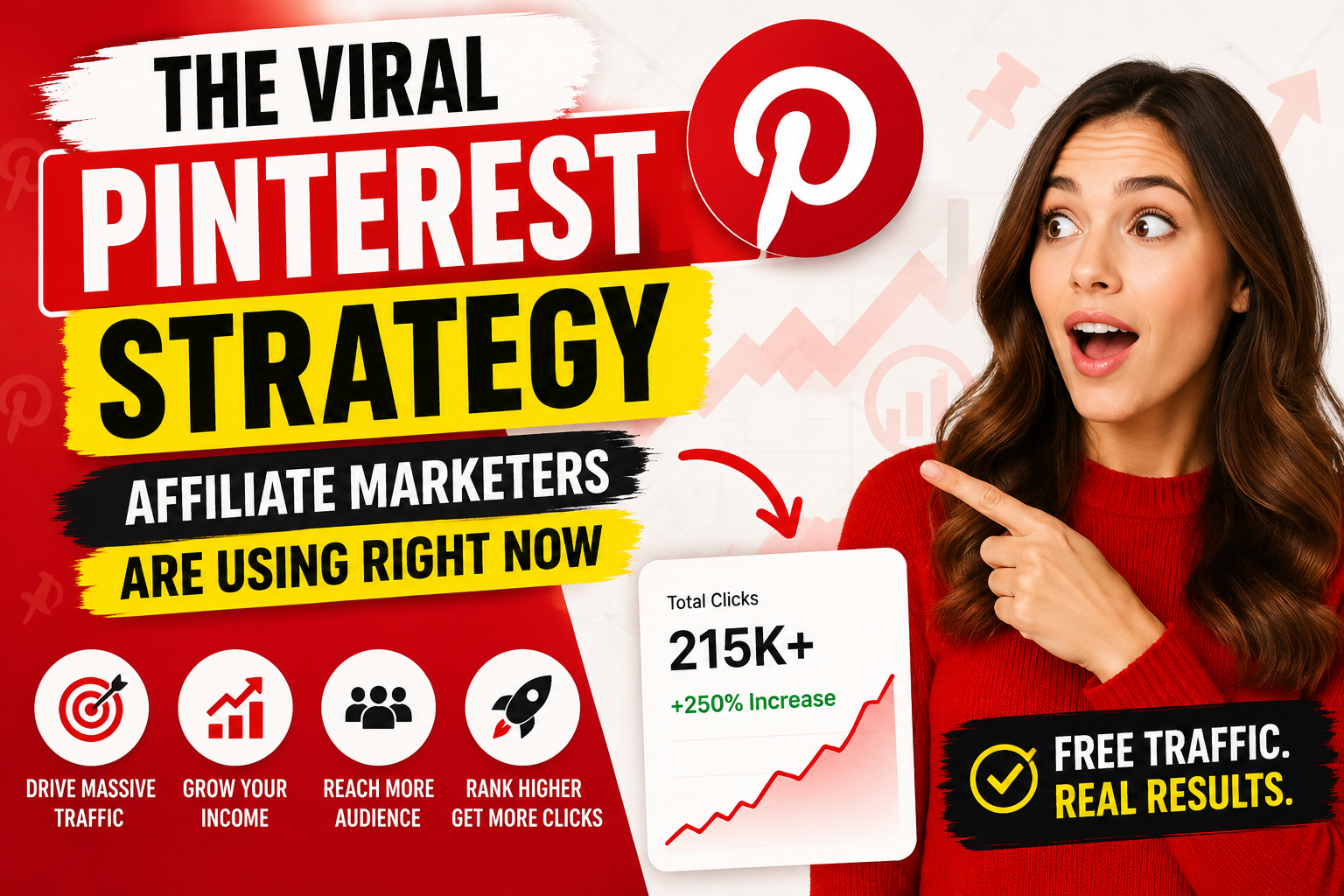
The Viral Pinterest Strategy Affiliate Marketers Are Using Right Now I thought she was joking. Pinterest? Isn’t that where people save recipes and wedding ideas?
Turns out, I was dead wrong. And so are most affiliate marketers who keep sleeping on this goldmine of a platform.
Today I want to walk you through exactly what this viral Pinterest strategy is, why it works in 2025 when other traffic sources are drying up, and the shortcut tool that’s making it stupidly easy for everyday people to replicate these results.


Why Pinterest Is the Secret Weapon Every Affiliate Marketer Needs in 2025
Before we dive into the strategy itself, let’s talk about why Pinterest is so incredibly powerful for affiliate marketing right now — and why so few people are actually doing it correctly.
Affiliate marketers are quietly building income streams through Pinterest’s visual search engine
Unlike Instagram or TikTok where content dies in 24–48 hours, a single Pinterest pin can drive traffic for months or even years. Pinterest is fundamentally a search engine disguised as a social platform. People come here with buying intent — they’re searching for solutions, products, and ideas to purchase.
Consider this: 85% of weekly Pinterest users have made a purchase based on Pins they’ve seen. That’s not someone mindlessly scrolling — that’s a warm, ready-to-buy audience landing right on your affiliate links.
And here’s what makes 2025 especially exciting: with AI and new tools emerging, creating viral-worthy pins at scale has never been more accessible — even if you have zero design skills and zero followers to start.
“Pinterest doesn’t reward who has the biggest audience. It rewards who creates the most relevant, visually compelling content. That’s a level playing field for beginners.”
The Problem Most Affiliates Face on Pinterest (And Why They Quit)
Here’s the uncomfortable truth I discovered when I first tried Pinterest affiliate marketing:
- Creating eye-catching, click-worthy pins consistently is exhausting and time-consuming
- Understanding Pinterest’s ever-changing algorithm feels like a full-time job
- Knowing which niches and products actually convert on Pinterest is trial and error
- Posting 15–25 pins per day (what experts recommend) seems impossible for one person
- Paid scheduling tools add up fast, eating into your commissions
Most people try Pinterest for a few weeks, see trickles of traffic, get frustrated, and abandon ship. The ones who succeed understand something crucial: there’s a system behind every viral pin, and that system can be learned — and automated.
That’s precisely what the strategy I’m about to review teaches you to do.
What Is This Viral Pinterest Strategy — And What’s Inside?
The product available at the link above is a comprehensive Pinterest affiliate marketing system built specifically for people who want to generate commissions from Pinterest — whether you’re a complete beginner or an experienced marketer looking to add a new traffic stream.
Think of it as a done-for-you blueprint that removes all the guesswork and gets you to results faster.
📦 Here’s What You’re Getting:
- Step-by-step Pinterest account setup — optimized specifically for affiliate marketing from day one, not just “general Pinterest tips”
- Viral pin creation framework — the exact visual formulas and templates that get repinned thousands of times, even without a big following
- Keyword & SEO secrets — how to appear in front of buyers who are actively searching for what you’re promoting (this alone is worth the price)
- High-converting niche selection guide — not all niches perform equally on Pinterest; this shows you exactly which affiliate products to choose
- Automation & scaling tactics — how to post consistently without burning out, using smart scheduling and batch creation methods
- Analytics & optimization training — how to read your Pinterest data and double down on what’s working
- Direct affiliate linking strategies — the right (and legal) way to include affiliate links in your pins for maximum clicks
The difference between random pinning and a strategic approach is night and day in terms of results
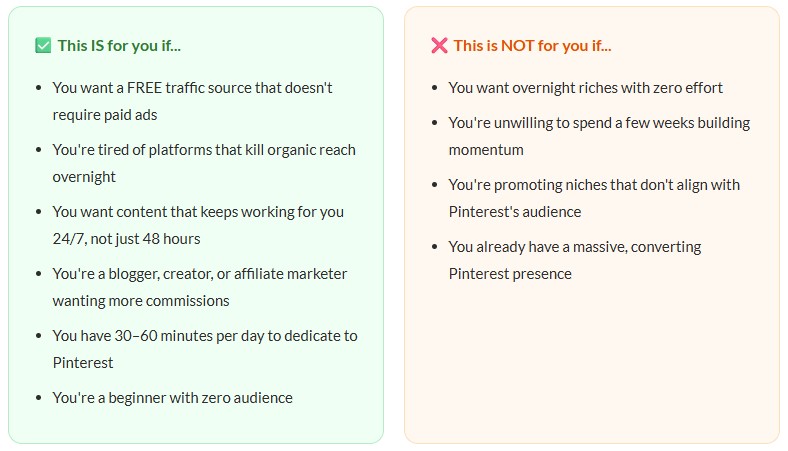
Who Is This Strategy Perfect For?
I want to be upfront — this is NOT for everyone. Let me help you figure out if this is the right fit for you.
My Honest Take: What I Love Most About This Approach
Having spent considerable time studying Pinterest marketing strategies across multiple products and courses, here’s what genuinely stands out about this system:
1. It focuses on buyer intent, not vanity metrics
So many Pinterest “gurus” teach you how to get impressions and saves. Great for the ego, terrible for your bank account. This strategy is laser-focused on driving people who are ready to buy to your affiliate links. The niche and keyword guidance alone shifts your whole perspective.
2. The viral pin formula is genuinely replicable
Creating pins that spread isn’t magic — it’s a combination of psychology, visual design principles, and strategic placement. Once you see the framework broken down, you start spotting it everywhere. And once you know it, recreating it becomes almost formulaic.
3. It treats Pinterest as the search engine it actually is
Most people approach Pinterest like Instagram — posting pretty pictures and hoping for the best. The marketers crushing it on Pinterest understand that keyword optimization, board structure, and pin descriptions are SEO tasks, not social media tasks. This strategy hammers that point home with practical, actionable steps.
4. The scaling potential is real
Start with one niche, one set of affiliate products, and one daily posting rhythm. As it gains traction, you duplicate the system across multiple niches. Some marketers using this approach run 3–5 Pinterest accounts simultaneously, each quietly stacking commissions.
Realistic Expectations: What You Should Know Before Buying
I believe in keeping it real with you. Pinterest is not a “get rich overnight” platform. Here’s an honest breakdown of what to expect:
Weeks 1–2: Setup phase. You’re building your profile, boards, and first pins. Little to no traffic yet. Don’t panic — this is normal.
Weeks 3–6: Pinterest starts indexing your content. You’ll see your first organic impressions climbing. Some early clicks to your affiliate links. Exciting but still modest.
Month 2–3: If you’ve followed the keyword and consistency strategies, traffic begins to compound. Your older pins gain traction. First real commissions start appearing consistently.
Month 4+: The system begins to feel effortless. Old content keeps working, new content accelerates faster. This is the passive income phase people talk about.
The key word is consistency. Put in the work in months 1–2, and months 3–6 start paying you back. It’s a slow build with a fast reward cycle once momentum kicks in.
Is the Price Worth It?
Without revealing the exact current price (it may change at any time), I’ll say this: for a comprehensive step-by-step system that covers everything from beginner account setup to advanced scaling tactics, the asking price is a fraction of what you’d pay for a private coaching session or a premium Pinterest marketing course on Udemy.
When you consider that a single successful affiliate campaign on Pinterest can generate hundreds — or thousands — of dollars in commissions every month, the ROI math is simple.
Plus, it’s backed by a 30-day money-back guarantee, which means the only real risk is not trying it.
💡 Pro Tip : Pinterest marketing products on WarriorPlus often launch at a deeply discounted introductory price that climbs over time. If you’re on the fence, now is almost certainly the best time to lock in the lowest rate.
Final Verdict: Should You Buy This?
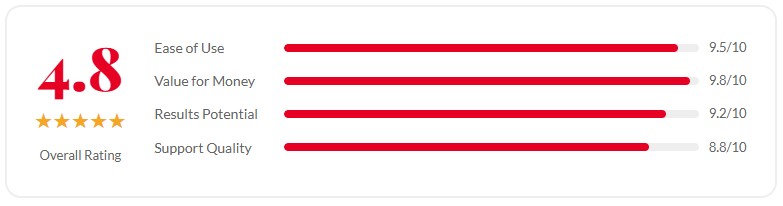
After everything I’ve researched and reviewed, my answer is a clear yes — with one condition: you have to actually implement it.
Pinterest is genuinely one of the most underutilized traffic sources in the affiliate marketing world right now. While everyone else is fighting over Instagram algorithm changes and expensive Facebook ads, a small group of savvy marketers is building evergreen income streams on a platform with 550 million monthly users who come with buying intent.
This strategy gives you the roadmap. The viral pin templates give you the shortcut. The keyword system gives you the visibility. All you have to bring is 30–60 minutes a day and the willingness to be consistent for 90 days.
Do that, and I genuinely believe Pinterest could become your most reliable source of affiliate income — one that grows quietly in the background while you live your life.
Pinterest Marketing Affiliate Marketing Passive Income Free Traffic WarriorPlus Work From Home